
The way Technologies are exposing Fake Luxury and guarding consumers
The way Technologies are exposing Fake Luxury and guarding consumers
 Samir Luitel
The boundary of real luxury and high-fend counterfeit is becoming more and more unclear in the modern world of online shopping with its high paces. Luxury goods, such as glittering diamond rings, posh watches, and so on, are frequently copied with shocking precision. To the consumers, there is a danger of people buying a counterfeit product being unaware of it than ever before. Fortunately, technology, especially technology in surveillance and tracking, is providing buyers and retailers with new equipment to identify fraud and safeguard their investments.
The Emergence of Fake Luxury Goods.
The entertainment market of fake products is estimated to be in the hundreds of billions of dollars yearly all over the world. Although online market places are convenient, they have unknowingly turned out to be the haven of counterfeiters. These products are not crude imitations anymore; most of them are practically identical to the original such as using the same materials, branding and packaging. The shiny diamond ring bought at a site belonging to an unknown seller online may appear to be perfect, but without validation, consumers may end up investing in a counterfeit that may end up costing them thousands.
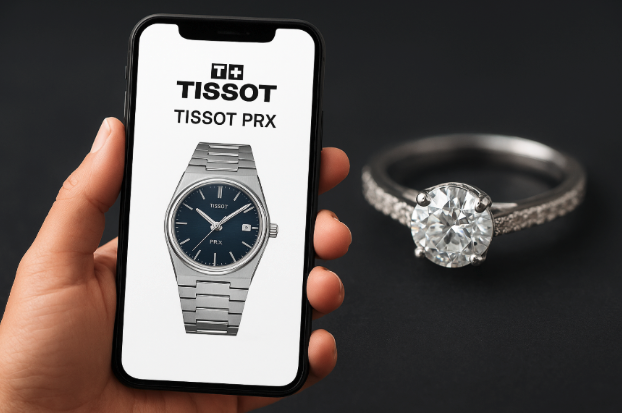
The other ideal target is luxury watches. An example is the Tissot PRX. The fact that it is very desirable due to its smooth design and craftsmanship makes it an easy target by the counterfeiters and regrettably so. The experienced collectors may find it hard to locate any slight variations between a real timepiece and an elaborate imitation.
The way Technology is counterattacking.
The positive side is that technology is creating a level playing field. Both retailers and consumers are using digital tools to determine counterfeit products before they turn out to be expensive errors. This is happening in the following ways:
Intelligence Automated Imaging.
Using artificial intelligence, product images can be analyzed and inconsistencies detected, which are invisible to naked eyes. Small changes in engraving, positioning of logos, or cuts on the gemstones can be alerted immediately. As an example, AI systems can examine the cut and setting of a diamond ring and compare it to a known picture of a certified retailer and inform a buyer within a few seconds to alert about a fake object.
RFID and Authentication with Blockchain.
RFID tags and blockchain technology usage as methods to trace the provenance of luxury goods is something that many luxury brands are implementing. In the case of a Tissot PRX, its individual serial number and the information about its manufacturing can be recorded on a blockchain ledger. Authenticity is then instantly checked by buyers so that they will be assured that they are buying the genuine one instead of a fake item.
Consumer-Facing Spy Apps
Amazingly, there are mobile applications created to be used during surveillance and tracking of devices that are currently being used as a means of identifying fake sellers. These applications have the ability to monitor suspicious activity of sellers, online reviews, and even warn users of activities reflected in patterns that reflect fraud. Although these tools are usually related to security monitoring, their use in consumer protection is turning out to be invaluable.
The contribution of High-End Retailers.
Even the luxury brands are actively fighting counterfeit. The use of advanced anti-fraud departments by many expensive retailers oversees online markets, social network sites, and unauthorized dealers. These groups rely on sophisticated tracking applications, picture recognition and even covert buying to detect fake activity. Integrating new technology with the old one will enable brands to maintain their reputation and provide customers with original products.



 WhatsApp Spy
 Facebook & Messenger Spy
 Viber Spy
 Instagram Spy
 Skype Spy
 TikTok Spy
 Telegram Spy
 LinkedIn Spy
 Twitter Spy
 Youtube Spy
 Photo Spy
 Video Spy
 Calls and Contacts Tracking
 SMS & IM Chats
 Voice Capture
 Image Capture
 Video Record
 Monitor Contacts
 Monitor Location
 Monitor Device info
 Monitor and Add Geofence
 Monitor Photos
 Monitor Videos